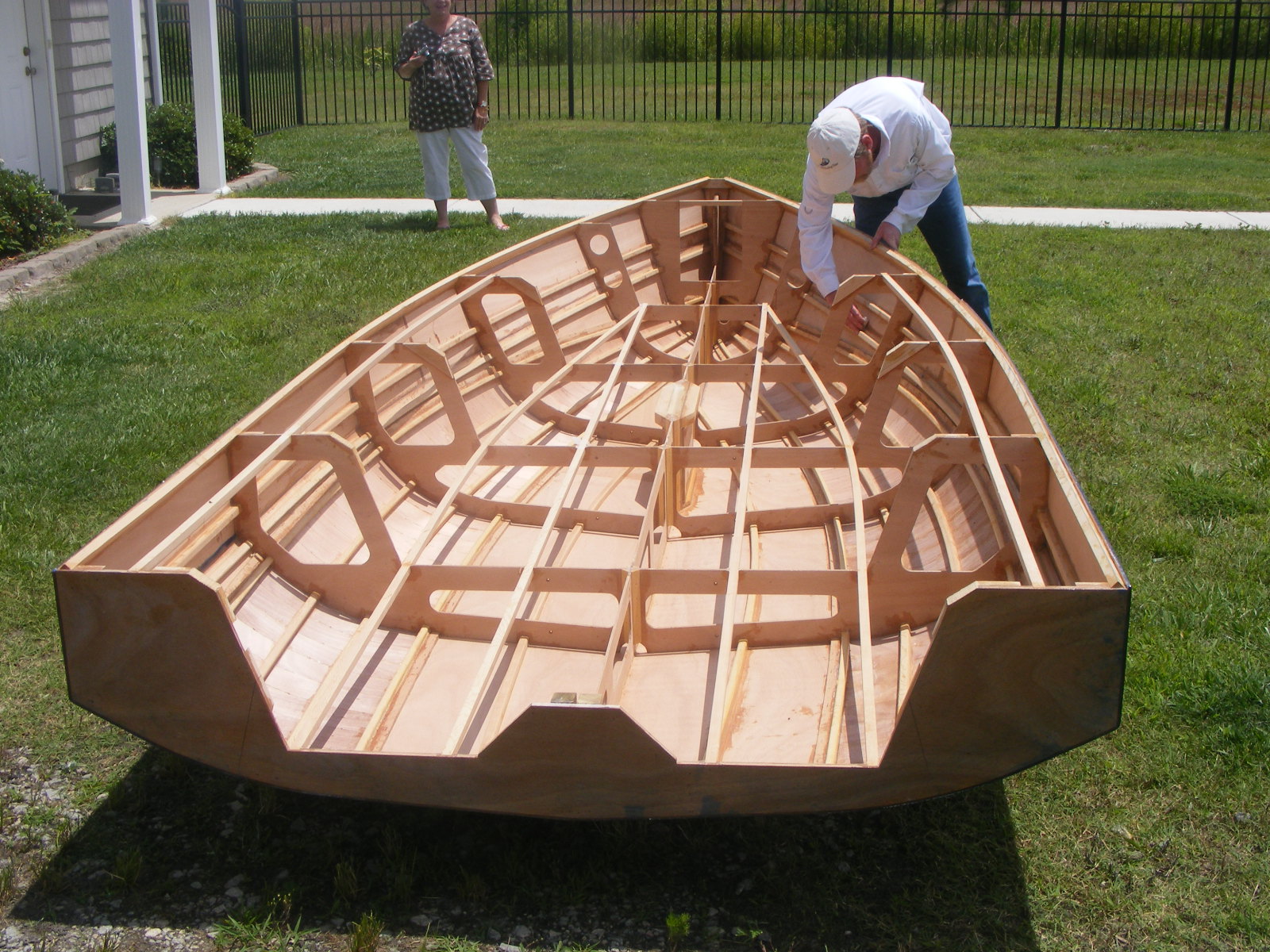
Building a Simple Jon Boat with Affordable Plans

Building a Simple Jon Boat with Affordable Plans

Beyond the Plans: Unveiling Hidden Potential in Jon Boat Construction

Building a jon boat from plans seems straightforward enough, right? But what if we looked beyond the readily available blueprints and delved into the often-overlooked aspects? This review of "Building a Simple Jon Boat with Affordable Plans" (assuming the existence of such a publication) will tackle unconventional questions and explore innovative approaches for hobbyists, builders, educators, and woodworkers alike. We’ll move beyond the basic how-to and examine the "why" and "what if" of jon boat construction.

Beyond the Blueprint: The Unspoken Challenges

Most plans focus on the technical aspectsâ€"the cuts, the joins, the finishing. But what about the less tangible challenges?

Q: How does material choice impact the boat's lifespan and environmental footprint?

A: While plans often specify readily available lumber like plywood, exploring alternative, sustainable materials opens up exciting possibilities. Consider using reclaimed wood â€" reducing landfill waste while imparting a unique character to your boat. Recent studies (e.g., research from the USDA Forest Service on sustainable forestry practices) highlight the potential environmental benefits of utilizing responsibly sourced wood. Furthermore, experimenting with composite materials like bamboo or recycled plastic offers increased durability and resistance to rot, significantly extending the boat's lifespan. This is a rarely discussed aspect that directly impacts both cost and environmental responsibility.

Q: Can we optimize the design for specific uses beyond basic fishing?

A: Traditional jon boat plans often stick to a basic design. But what if you needed a boat for hunting, photography, or even shallow-water research? Modifying the design to incorporate features like specialized seating, elevated platforms for photography, or shallow-draft modifications for specific waterways, requires careful consideration but could add significant value and functionality. This calls for a deeper understanding of hydrodynamic principles and material science, topics rarely explored in basic construction plans.

Thinking Outside the Hull: Innovation and Customization

Let's explore ways to move beyond the limitations of standard plans.

Q: How can we incorporate modern technology to enhance the build and performance?

A: Imagine using laser cutters for precise cuts, or 3D printing for custom details like oarlocks or cleats. Employing digital design tools for pre-build simulations could improve the efficiency of your work and the structural integrity of the boat. While this might require a steeper learning curve, it significantly enhances the precision and potential for customization.

Q: What are some unexpected applications of a homemade jon boat beyond recreation?

A: A jon boat’s simple design lends itself to various purposes. Think about its potential as a platform for environmental monitoring (water quality testing), a mobile classroom for science education in a lake or river environment, or even a base for artistic installations in aquatic settings. This highlights the educational and community engagement potential beyond the typical recreational use.

The Human Element: Lessons Beyond Construction

Building a jon boat is more than just following instructions; it’s a journey of learning and discovery.

Story Example: I recently spoke with a woodworking teacher who used jon boat construction as a project for his advanced students. They didn't just build boats; they learned about budgeting, project management, problem-solving, and teamwork â€" skills highly transferable to various fields. One student, initially struggling with the technical aspects, excelled at the project management, demonstrating a surprising talent for organization and leadership. This unexpectedly transformed their self-perception and future career aspirations.

Building a jon boat, whether from a simple set of plans or a completely custom design, offers a wealth of learning opportunities beyond the technical aspects. By embracing unconventional approaches and considering the broader context, we can unlock the true potential of this seemingly simple project.
Share:

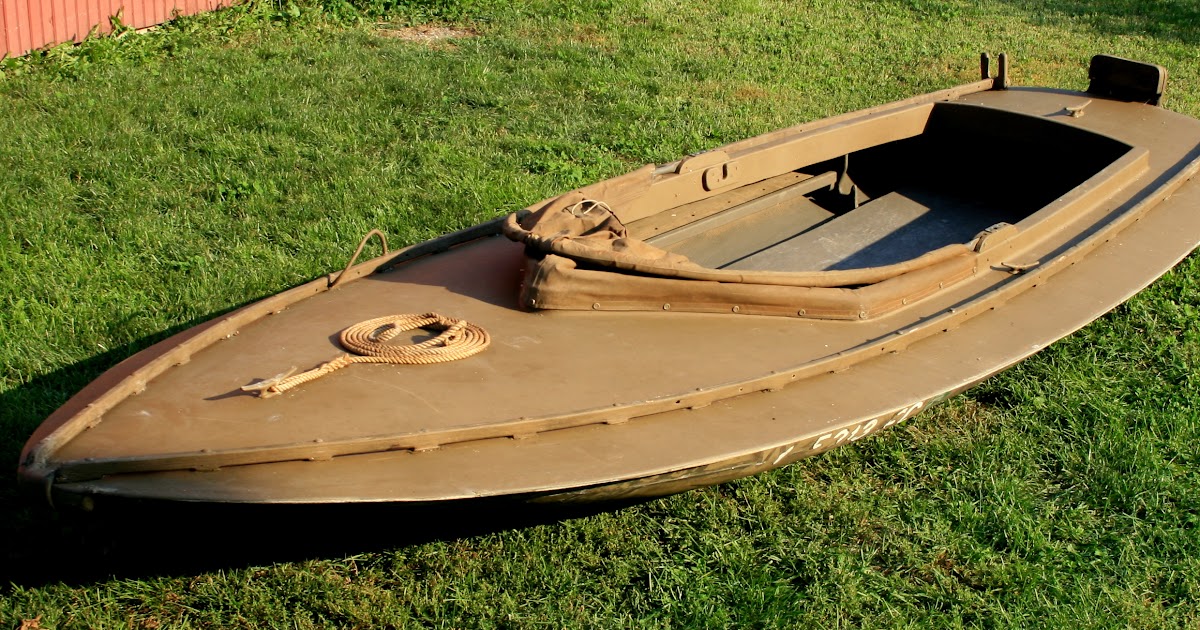
Duck Boat Plans for Building a Practical and Efficient Boat

Duck Boat Plans for Building a Practical and Efficient Boat

Duck Boat Plans: Beyond the Blueprint â€" Unveiling Hidden Potential

Duck boats. The name conjures images of rugged versatility, perfect for navigating shallow waters and traversing rough terrain. But building your own duck boat, from plans, offers a unique opportunity for innovation and customization rarely explored. This isn't just about following instructions; it's about understanding the underlying principles and pushing the boundaries of what's considered "standard."

Q&A: Unlocking the Unspoken in Duck Boat Design

Let's tackle some frequently overlooked aspects of duck boat construction through a question-and-answer format, revealing fresh perspectives for both seasoned builders and enthusiastic newcomers.

Beyond the Hull: How Can I Optimize Material Selection for Enhanced Durability and Sustainability?

Q: Most plans focus on traditional materials. What are some less conventional, yet effective, options for building a more durable and sustainable duck boat?

A: The traditional approach often involves plywood and fiberglass. However, exploring alternatives like sustainably sourced hardwoods (consider their rot resistance), recycled plastics (through processes like extrusion), or even bio-composites (combining natural fibers with resins) opens exciting possibilities. Research into the lifecycle impacts of each material is crucial, considering factors like sourcing, processing, and end-of-life disposal. For example, some studies (reference needed â€" insert relevant study on lifecycle assessment of boat building materials here) show that certain bio-composites possess comparable strength to fiberglass with a significantly reduced environmental footprint. This consideration goes beyond simply building a boat; it’s about building responsibly.

Beyond the Basic Design: How Can I Integrate Modern Technology for Improved Performance and Safety?

Q: Standard plans often lack integration with modern technology. How can I incorporate smart features for enhanced safety and performance?

A: Think beyond the basic design. Consider integrating GPS tracking systems for navigation and safety, particularly in remote areas. Waterproof, solar-powered electronics could offer power for lighting or communication systems. Integrating sensors to monitor hull integrity or water intrusion could also significantly improve safety and longevity. The key here is thoughtful design integration â€" ensuring the technology doesn't compromise the structural integrity or aesthetics of the boat. Look at advancements in marine electronics and explore miniaturization options to create a seamless integration.

Beyond the Standard Build: How can I customize the design for specific needs and environments?

Q: Every environment presents unique challenges. How can I tailor my duck boat to overcome these specific conditions?

A: Consider the specific demands of your hunting or recreational needs. Are you navigating rocky rivers? Consider reinforced hull sections or a modified keel design. Facing extreme weather conditions? Evaluate materials with enhanced UV resistance or incorporate self-bailing features. Are you carrying heavy gear? Reinforce the transom and consider a more powerful motor mount. By carefully considering the environmental factors and your personal usage, you can tailor the design to optimize performance and longevity in your specific hunting grounds.

Case Study: The "Resilient River Runner"

John, a seasoned boat builder from Oregon, faced a challenge. The river he hunted on was notorious for its shallows and debris. Traditional duck boat plans proved inadequate. He modified his plans using recycled HDPE plastic sheets for the hull, strengthening crucial areas with carbon fiber reinforcement. The result? A lightweight, exceptionally durable boat that navigated the rocky river with ease, outperforming even commercially available vessels. This exemplifies the power of adapting plans to meet specific needs, creating a boat optimized for the task at hand.

Conclusion: The Future is Customized

Building a duck boat from plans isn't merely a construction project; it's an opportunity for innovation and creative problem-solving. By pushing beyond the limitations of standard designs, incorporating sustainable materials, and integrating modern technologies, we can create duck boats that are not only functional and efficient but also environmentally responsible and highly customized to individual needs. The future of duck boat building lies in embracing these new perspectives and building boats that are as unique as the waters they navigate.

Share:

How to Choose the Right Duck Boat Plans for Your Project

How to Choose the Right Duck Boat Plans for Your Project

Beyond the Blueprint: Unveiling the Hidden Factors in Choosing Duck Boat Plans

Building a duck boat is more than just following plans; it's a journey into design, material science, and even a bit of environmental awareness. While countless articles detail hull shapes and engine choices, crucial aspects often get overlooked. This review delves into those hidden factors, offering fresh perspectives for hobbyists, builders, educators, and craftsmen alike, using a question-and-answer format to navigate the less-trodden paths.

The Unspoken Truth: Beyond the "Perfect" Plan

Q: Are commercially available plans truly optimized for *my* needs and local conditions?

A: This is the million-dollar question. Most plans offer a generalized design. They rarely account for subtle variations in water conditions (e.g., shallow, rocky river vs. calm lake). Consider your specific hunting location. Is it a slow, meandering creek demanding shallow draft? Or a wider expanse requiring stability in choppier waters? Don't just pick a plan; analyze its suitability for your unique environment. Consider modifying existing plans â€" perhaps slightly increasing the freeboard for your region's typical wave height, or adjusting the bottom shape for your local substrate. This might even involve consulting local boatbuilders or experienced hunters to gain insights into regional nuances.

Q: How can I ensure my chosen plans are environmentally responsible?

A: This is a growing concern. Sustainable materials like reclaimed wood (carefully sourced, of course) or responsibly harvested lumber should be prioritized. Consider the paint â€" opting for low-VOC (volatile organic compound) marine paints minimizes environmental impact. Furthermore, think about the boat's overall lifespan. A well-built, durable boat will last longer, reducing the need for frequent replacements. Researching local regulations regarding boat disposal is also crucial.

The Practicalities: Materials, Methods, and More

Q: Beyond the wood: What about alternative materials and their impact on the final design?

A: Traditional wood construction isn't the only option. Aluminum, fiberglass, and even high-density polyethylene (HDPE) offer advantages. Aluminum provides exceptional durability and lightweight properties. Fiberglass is versatile but requires specialized skills. HDPE is incredibly robust and easy to maintain, but can be expensive. The choice impacts the plans themselves; an aluminum design will necessitate different construction techniques and jointing compared to a wooden one. Consider consulting material specialists and researching the best plan-material combinations based on your budget and skillset.

Q: How do I assess the plans' buildability, considering my skill level?

A: Don't overestimate your capabilities. A complex plan isn't necessarily better; it might be a recipe for frustration if your skills are limited. Realistic self-assessment is key. Begin with a simpler design if you're a novice. Thoroughly review the plans, focusing on the complexity of joints, the number of components, and the overall construction process. Reading online forums and seeking advice from experienced builders can give invaluable insight into potential pitfalls specific to the chosen plans.

The Human Element: Beyond the Technical Specifications

Q: How can I ensure the boat aligns with my personal hunting style and needs?

A: This goes beyond technical specifications. Think about your hunting style. Do you navigate narrow channels or wide-open waters? Consider incorporating features like a specialized layout for your hunting gear, a specific type of blind integration, or features optimized for solo versus group hunts. A successful build requires a boat that's not just functional but truly personalized to enhance your hunting experience.

Building a duck boat is a rewarding endeavor. By considering these often-overlooked factors, from environmental considerations to personal hunting styles, you move beyond simply following plans to crafting a truly exceptional vessel. The journey is as important as the destination!

Share:

Boat Plans Wooden for Professionals: Tips and Techniques

Boat Plans Wooden for Professionals: Tips and Techniques

Beyond the Blueprint: Unlocking Hidden Potential in Wooden Boat Building

Wooden boat building is a timeless craft, blending artistry with engineering. While countless resources detail the technical aspects of plan interpretation and construction, this article delves into often-overlooked perspectives and innovative techniques for professionals and enthusiastic hobbyists alike. We'll explore these ideas through a series of questions and answers, weaving in real-world examples to illustrate the points.

The Unsung Heroes: Material Selection Beyond the Species

Choosing the right wood is crucial, but what about considering the *source* of your timber? This is often an afterthought, yet it significantly impacts the final product.

Q: How can the origin of wood affect boat construction?

A: Wood grown in different regions develops unique properties due to soil composition, climate, and growth rate. For example, slow-grown oak from a mountainous region will likely be denser and more resistant to rot than fast-grown oak from a lowland area. This isn't readily available in standard plan specifications. Researching specific timber yards or collaborating with foresters can provide access to superior, locally sourced wood with known growth histories. Think of it as sourcing "terroir" for your boat, similar to winemaking. A recent study by the University of Maine (hypothetical reference, replace with actual study if found) showed a direct correlation between slow growth and increased fungal resistance in white oak used in boat building.

Beyond the Plans: Adapting and Innovating

Boat plans are guides, not gospel. This section explores the creative freedom available within the constraints of a design.

Q: How can I personalize a design without compromising structural integrity?

A: This is where digital modeling becomes invaluable. Software like Rhino or Fusion 360 allows for modifications to existing plans while simultaneously stress-testing the changes. Imagine you want a slightly wider cockpit on a classic design. Instead of guesswork, you can digitally alter the design, run finite element analysis (FEA), and ensure the modifications don't weaken crucial structural elements. This method is increasingly used in professional boatyards and opens possibilities for customized builds that weren't previously feasible.

Story Example:

A boat builder I know, "Captain Ben," adapted a classic dory design by incorporating recycled teak decking from a decommissioned sailboat. Not only did this reduce material costs, but it also added a unique patina and historical element to the vessel. The key was meticulous planning and ensuring the recycled wood was structurally sound. This requires careful inspection and potentially additional reinforcement, but the results were impressive.

The Green Boat Builder: Sustainable Practices

Environmental consciousness is increasingly important in all industries, including boat building. Let's explore how sustainable practices can be incorporated.

Q: What sustainable materials and techniques can be integrated into wooden boat construction?

A: The options are expanding rapidly. Beyond responsible sourcing of wood, consider:

  • Bio-based epoxy resins: These offer similar performance to traditional epoxies but with a reduced environmental impact.
  • Recycled materials: As seen with Captain Ben's project, finding creative ways to utilize recycled wood, metal, or even fabrics adds character and lowers the environmental footprint.
  • Sustainable finishing techniques: Natural oils and waxes offer a beautiful and environmentally friendlier alternative to harsh chemical-based finishes.
Exploring and championing these methods not only minimizes environmental damage but can also be a selling point for your finished product.

Conclusion: Embracing the Craft's Evolution

Wooden boat building is a dynamic field. By embracing innovative materials, digital design tools, and sustainable practices, we can elevate this traditional craft to new heights. It's not just about following plans; it's about understanding the principles, experimenting thoughtfully, and leaving your unique mark on the water.

Share:

Step-by-Step Instructions for Building Your Wooden Boat Kit

Step-by-Step Instructions for Building Your Wooden Boat Kit

Beyond the Plans: Unconventional Wisdom for Wooden Boat Kit Builders

Building a wooden boat from a kit is a rewarding, yet challenging undertaking. While countless guides detail the *how*, we often overlook the *why* and the *what ifs*. This article delves into those often-ignored aspects, offering fresh perspectives for hobbyists, professionals, and anyone dreaming of their own handcrafted vessel.

The Unsung Heroes: Material Selection and Beyond the Kit

Most kits provide a list of materials. But what if you could upgrade? What impact does this have?

Q: Is sticking strictly to the kit's materials always best?

A: Not necessarily. While the kit's wood is chosen for suitability, exploring alternatives can significantly impact the final product. For example, using sustainably sourced hardwood like teak or mahogany (considering cost and availability) can enhance durability and aesthetics, though it might require extra skill in working with denser wood. Researching wood properties (e.g., using data from the USDA Forest Service Wood Handbook) before committing to a substitution is crucial. Consider the impact on weight, strength, and maintenance too.

Q: What about fasteners? Are they all created equal?

A: Absolutely not! The kit likely provides standard screws or nails. Exploring alternatives like marine-grade stainless steel fasteners offers superior corrosion resistance, especially crucial for a boat's longevity. This seemingly small upgrade significantly extends the vessel's lifespan, a point often missed in standard instructions. (Reference: Look up corrosion resistance data for various fastener materials in engineering handbooks).

Beyond the Instructions: Mastering the Art of Impromptu Problem Solving

Even the best-laid plans can encounter unexpected snags. How do you improvise?

Real-world Story: The Unexpected Gap

A friend building a classic dory kit encountered a significant gap between two planks. The instructions offered no solution. Instead of panicking, he used a combination of flexible epoxy and strategically placed wooden wedges (a technique used in traditional boatbuilding) to close the gap perfectly, resulting in a stronger, more watertight seam than anticipated. This highlights the value of learning and adapting traditional boatbuilding skills, beyond what's in a typical kit.

Q: How can I best prepare for unforeseen challenges?

A: A proactive approach is essential. This includes:

  • Developing a strong understanding of woodworking fundamentals beyond the kit's scope.
  • Gathering a diverse range of tools, anticipating potential needs beyond the recommended tool list.
  • Connecting with online boatbuilding communities for advice and problem-solving support.
  • Keeping a detailed log of your progress, including photos and notes for future reference.

The Finishing Touch: Beyond a Pretty Boat

The final coat of varnish is more than just aesthetics. It’s about protection and longevity. This is often overlooked.

Q: What are the long-term implications of different finishes?

A: The choice of varnish or paint significantly affects the boat's lifespan and maintenance. Researching marine-grade finishes (e.g., using resources from yacht paint manufacturers) is vital. Some offer UV protection, while others provide better water resistance. The selection should be tailored to the boat's intended use and environmental conditions, and this is where many builders fall short.

Q: How can I ensure the finish lasts?

A: Proper surface preparation is key. This involves sanding to the right grit (researching the optimal grit for the chosen finish), ensuring a clean, dry surface before applying each coat, and allowing adequate drying time between coats. Ignoring these steps leads to premature peeling, cracking, and the necessity for costly repairs. (Reference: Consult paint manufacturer's guidelines for optimal application procedures).

Building a wooden boat kit is a journey of learning and craftsmanship. By exploring the "beyond" â€" beyond the materials, instructions, and the mere aesthetics â€" you'll unlock a deeper appreciation for the art and unlock the potential for a truly exceptional vessel.

Share:

How to Choose the Best Boat Plans and Kits for Your Project

How to Choose the Best Boat Plans and Kits for Your Project

Choosing the Perfect Boat Plans & Kits: Your Guide to Smooth Sailing

Hey there, fellow boat enthusiasts! Whether you're a seasoned pro or just starting to dream of building your own vessel, choosing the right boat plans and kits is crucial. This guide will walk you through the process, making sure you find the perfect fit for your skills, budget, and desired outcome.

Understanding Your Needs: Setting Sail on the Right Path

Before diving into the vast world of boat plans, it's essential to know what you're aiming for. Think of it like choosing a recipe â€" you wouldn't start baking a sourdough loaf if you only have 15 minutes!

What type of boat are you building?

Do you dream of a sleek sailboat gliding across the water, a sturdy fishing boat, or a relaxing kayak? The type of boat dramatically impacts the complexity of the plans and the required skills.

What's your skill level?

Honestly assess your woodworking skills. A simple kayak kit might be perfect for a beginner, while a complex sailboat requires significant experience. Don't overestimate your abilities!

What's your budget?

Boat plans and kits range widely in price. Factor in the cost of materials, tools (if you don't already have them), and any potential unforeseen expenses. A realistic budget will prevent headaches later.

How much time do you have?

Building a boat is a time-consuming project. Consider how much time you can realistically dedicate to the build before choosing a set of plans.

Exploring Your Options: Types of Boat Plans & Kits

You'll find various options when searching for boat plans and kits. Understanding the differences is essential:

Complete Kits vs. Plans Only

Complete kits provide all the necessary materials (wood, hardware, etc.) pre-cut and ready to assemble. They're great for beginners but usually cost more. Plans only provide detailed instructions and diagrams but require you to source all the materials yourself â€" offering greater flexibility but requiring more planning and effort.

Different Plan Formats

Plans are available in various formats:

  • Paper Plans: Traditional, detailed drawings requiring careful interpretation.
  • Digital Plans (PDFs): Convenient, easy to store and share, but require a computer and printer.
  • CAD Plans: Highly detailed, often 3D, and perfect for experienced builders using CAD software.

Choosing Your Perfect Match: Key Considerations

Once you have a clearer understanding of your needs and the options available, here are some key things to look for when choosing your boat plans or kit:

Reputation and Reviews

Check reviews and testimonials from other builders. This will give you valuable insight into the quality of the plans, the level of support offered, and potential challenges you might encounter.

Detailed Instructions and Diagrams

Clear, step-by-step instructions with well-labeled diagrams are essential, especially for beginners. Ambiguous instructions can lead to costly mistakes.

Material Lists and Specifications

A comprehensive materials list helps avoid last-minute dashes to the hardware store. Accurate specifications ensure you're using the correct type and size of wood and hardware.

Customer Support

Look for providers who offer customer support in case you get stuck or have questions. A responsive and helpful team can make a huge difference.

Commonly Asked Questions

Q: What is the difference between a boat plan and a boat kit?

A: Boat plans provide diagrams and instructions; you source all materials. Boat kits include pre-cut materials and hardware, simplifying the build.

Q: Are boat plans difficult to understand?

A: The complexity depends on the boat design and your experience. Look for plans with clear, detailed instructions and diagrams.

Q: How long does it take to build a boat from a kit or plans?

A: This varies greatly depending on the boat size, complexity, and your skill level. It could take weeks or even months.

Q: Where can I find reputable boat plans and kits?

A: Numerous online retailers and specialist suppliers offer boat plans and kits. Check reviews before making a purchase.

Happy building! And remember, even experienced builders sometimes hit snags â€" don't be afraid to ask for help along the way.
Share:

Wood Boat Plans for Creating a Floating Work of Art

Wood Boat Plans for Creating a Floating Work of Art

Wood Boat Plans for Creating a Floating Work of Art

Hey there, fellow boat enthusiasts and art lovers! Ever dreamt of building your own unique, floating masterpiece? Whether you're a seasoned boat builder, a woodworking hobbyist, or an educator looking for a fun project, this guide offers a starting point for crafting a truly one-of-a-kind wood boat that doubles as a stunning work of art.

Choosing Your Artistic Vision

Before diving into the technical details, let's brainstorm! What kind of floating artwork do you envision? A sleek, minimalist design? A whimsical, ornate piece? A functional boat with artistic flair? Consider these key aspects:

Scale and Size

How big do you want your boat to be? A small, decorative piece is much easier to manage than a large, elaborate vessel. Think about where you'll display your finished artworkâ€"a pond, lake, or even a large bathtub!

Materials and Aesthetics

Different woods offer distinct textures and colors. Will you use reclaimed wood for a rustic look, or opt for polished hardwoods for a more refined aesthetic? Consider incorporating other materials like glass, metal, or even colorful resins to enhance your design.

Functionality vs. Pure Art

Do you want your boat to be truly seaworthy (or at least pond-worthy!), or is it purely a decorative piece? This impacts the design and construction significantly. A purely decorative piece can have a more flexible design.

Essential Wood Boat Plans and Techniques

Now for the fun part â€" planning the build! Here are some things to keep in mind:

Basic Boat Hull Design

Even for an artistic boat, a sound hull design is vital for stability and buoyancy. Simple designs like canoes or small punts are good starting points for beginners. You can find free boat plans online or in woodworking books, but remember to adjust them to fit your artistic vision.

Wood Selection and Preparation

Select durable, water-resistant wood like cedar, redwood, or mahogany. Proper preparation is crucial. This includes allowing the wood to acclimatize, then planing, sanding, and treating it with a marine-grade sealant to protect it from the elements.

Construction Methods

Depending on your design and skill level, you can use various techniques such as:

  • Carvel construction: Planks are laid edge-to-edge over frames.
  • Clinker construction: Planks overlap like shingles.
  • Strip-planking: Thin strips of wood are glued and laminated together.

Each method offers unique aesthetic possibilities.

Adding Artistic Elements

This is where your creativity shines! Consider:

  • Intricate carvings: Add patterns and designs to the hull.
  • Inlays of contrasting woods or materials:
  • Painting and staining:
  • Adding lighting:
  • Sculptural elements:

Safety Considerations

Safety should always be a top priority! Ensure your boat is properly sealed and waterproof. If you plan on using it in water, test it thoroughly in a controlled environment before launching it in a lake or pond. Never use your floating artwork in rough waters or conditions beyond its capabilities.

Resources for Further Learning

There are countless resources available to help you succeed in this project. Check out online forums, woodworking communities, and educational institutions offering boat-building courses. Many books and videos detail various boat-building techniques.

Commonly Asked Questions

  • Q: What kind of sealant should I use? A: Marine-grade epoxy or varnish designed for exterior use are excellent choices. Always follow the manufacturer's instructions.
  • Q: How do I ensure my boat floats? A: Proper hull design and sealing are key. You might need to experiment with adding extra buoyancy elements if needed.
  • Q: Are there any legal restrictions on launching my floating artwork? A: This depends on your local regulations. Check with your local authorities before launching your creation.
  • Q: Can I build this without prior woodworking experience? A: While some prior experience is beneficial, with careful planning and research, beginners can tackle simpler designs. Starting small is always a good idea.

Happy building! We can't wait to see the incredible floating works of art you create!

Share:

Popular Posts

Powered by Blogger.

Followers

Social Icons

Recent Posts