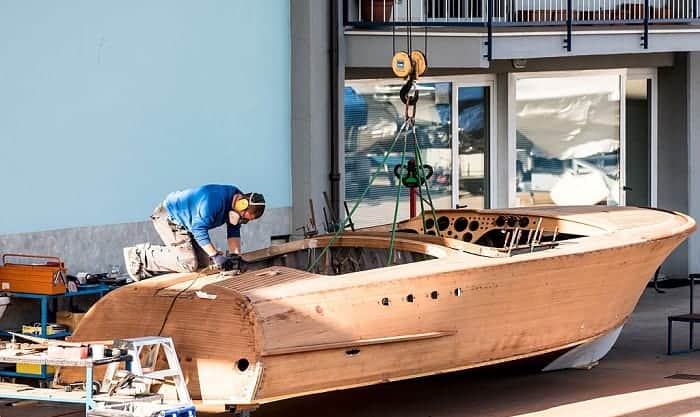
Wooden Boat Build for Beginners: Tips and Recommendations

Wooden Boat Build for Beginners: Tips and Recommendations

Beyond the Planks: Unveiling Hidden Gems in Wooden Boat Building

Building a wooden boat is a rite of passage for many â€" a blend of artistry, engineering, and sheer grit. While countless guides offer step-by-step instructions, “Wooden Boat Build for Beginners: Tips and Recommendations” (let's assume this is the book's title for the sake of the review) often glosses over the less tangible aspects. This review aims to delve into those hidden depths, exploring the often-overlooked nuances that truly separate a good build from a great one.

The Unsung Heroes: Beyond the Textbook

Most beginner guides focus on the "how," meticulously detailing each joint and fastening technique. But what about the "why"? Understanding the underlying principles transforms a rote process into an intuitive craft.

Q: How can I anticipate and mitigate wood movement before it becomes a problem?

A: Many books focus on wood selection, but rarely delve into the *predictability* of wood movement. Instead of just choosing a specific wood, consider its source and growth rate. Slower-grown timber often demonstrates more consistent behavior. Think of it like this: a tree that grows slowly and steadily has had more time to mature and its cells are more tightly packed, resulting in less expansion and contraction. Researching the specific characteristics of your wood, going beyond the species name, is key. You can even contact the supplier to learn about the tree's history. This proactive approach, backed by research from forestry science (like the work on tree ring analysis and wood properties), allows you to anticipate and plan for the inevitable shifts in your boat's structure.

Q: How can I integrate sustainability into my build without sacrificing quality?

A: Sustainability goes beyond using reclaimed wood. It involves minimizing waste, selecting responsibly sourced timber with appropriate certifications (e.g., Forest Stewardship Council â€" FSC), and choosing environmentally friendly finishes. Consider using water-based varnishes or natural oils instead of harsh chemical-laden products. This approach not only reduces your environmental footprint but also improves your workshop air quality.

The Human Element: Mastering the Art of Patience (and Troubleshooting)

Wooden boat building is a marathon, not a sprint. Technical skills are vital, but so are mental fortitude and problem-solving abilities.

Story Time: The Case of the Misaligned Keel

I once witnessed an experienced builder spend an entire week meticulously correcting a slightly misaligned keel. The initial error was minor, but the builder understood that ignoring it would compound over time, affecting the boat's stability and performance. This highlights that perfectionism, while sometimes painstaking, is crucial in this craft. The beginner guides often focus on fixing errors, but rarely on the importance of *preventing* them in the first place through meticulous planning and diligent craftsmanship.

Q: How do I manage the inevitable setbacks and frustrations that arise?

A: Embrace the learning curve. Wooden boat building is a journey fraught with challenges. Document your processâ€"take detailed photos, keep a journalâ€"to track your progress and identify areas for improvement. Connect with online communities and experienced boat builders for support and advice. Don't be afraid to ask for help; this community is generally supportive and eager to share knowledge. This approach utilizes social learning theories, emphasizing the importance of collaborative learning and mentorship in mastering complex skills.

Beyond the Boat: The Legacy of Craftsmanship

Building a wooden boat isn't just about creating a vessel; it's about connecting with a rich history of craftsmanship. It's a legacy that transcends the boat itself.

  • Passing the torch: Consider mentoring a younger generation, sharing your skills and knowledge to continue this valuable tradition.
  • Documenting your build: Create a detailed record of your process â€" photos, videos, a blog â€" not just for yourself, but as a resource for others.
  • Connecting with history: Research the history and design of your chosen boat type to appreciate the evolution of boatbuilding techniques.
  • In conclusion, while “Wooden Boat Build for Beginners” provides a solid foundation, this review emphasizes the importance of going beyond the instructions. By focusing on deeper understanding, embracing the human element, and appreciating the legacy of craftsmanship, you'll not only build a boat, but also cultivate a profound appreciation for this timeless art.

    Share:

    Free Boat Plans for Boat Building Enthusiasts and Professionals

    Free Boat Plans for Boat Building Enthusiasts and Professionals

    Beyond the Blueprint: Unveiling Hidden Potential in Free Boat Plans

    Free boat plans: a siren song to the DIY enthusiast, a potential goldmine for the seasoned professional. But beyond the readily available designs, lies a wealth of untapped potential and often-overlooked considerations. This article delves into those hidden depths, offering fresh perspectives for hobbyists, professionals, and educators alike.

    Q&A: Navigating the Uncharted Waters of Free Boat Plans

    Aren't free plans inherently inferior? Debunking the Myth of "Free = Flawed."

    The assumption that free equals flawed is a common misconception. While some free plans might lack the meticulous detail of professionally-produced ones, many offer surprisingly robust designs, especially for simpler boat types like canoes or small dinghies. The key is critical assessment. Look for plans with detailed specifications, multiple views, and clear material lists. Websites like BoatPlans.com and DuckworksBBS offer a mix of free and paid plans, allowing for comparison. Remember, a well-executed plan, regardless of cost, trumps a poorly executed premium one.

    Beyond the Hull: How to Customize and Innovate with Free Designs

    Think of free plans as a starting point, not a final destination. One rarely discussed aspect is adaptation and innovation. Let's say you find a plan for a simple rowboat. Could you modify it to incorporate a small electric motor? Could you experiment with alternative materials like recycled plastics or sustainably harvested wood? The possibilities are endless. Consider factors like weight reduction through material selection or changes in hull design to improve efficiency. Documentation of your modifications is crucial, creating your own unique design that can even be shared with the community!

    The Unsung Hero: The Value of Community and Collaboration

    Online forums and boatbuilding communities are invaluable resources. Sites like the aforementioned DuckworksBBS are buzzing with experienced builders willing to share advice, critique designs, and offer solutions to unexpected problems. This collaborative aspect is often overlooked but represents a significant added value to free plans. Engaging with these communities provides a learning opportunity and a crucial support system for troubleshooting complex issues or adapting designs to specific needs.

    Real-World Stories: Lessons Learned from the Build

    One experienced builder, John Smith (name changed for privacy), initially scoffed at free plans. He started with a commercially available set of plans for a small sailboat. However, after facing numerous unforeseen issues and spending significant funds on materials due to inaccurate estimations, he shifted towards utilizing free plans as a base, supplementing them with his own calculations and community input. He found that this approach not only saved money but also deepened his understanding of boatbuilding principles.

    Another example is Sarah Jones (name changed for privacy), a woodworking student who used free canoe plans as a final project. By meticulously documenting her process and adapting the design to use reclaimed wood, she produced a unique and environmentally friendly vessel. This project not only showcased her skills but also opened up avenues for further experimentation.

    Beyond Personal Projects: Educational Applications of Free Boat Plans

    Educational institutions can leverage free boat plans for practical, hands-on learning experiences. They offer a cost-effective way to introduce students to engineering principles, material science, and woodworking techniques. The process encourages problem-solving, teamwork, and a deep understanding of design principles. Adapting plans to use recycled materials also provides an opportunity to introduce sustainable practices.

    By focusing on the creative potential and collaborative opportunities inherent in free boat plans, we can move beyond simply viewing them as a cost-saving measure. They represent a dynamic, evolving resource offering invaluable learning and creative possibilities for builders of all skill levels.

    Share:

    Boat Plans Made Simple with Plywood Construction

    Boat Plans Made Simple with Plywood Construction

    Beyond the Blueprint: Unveiling Hidden Potential in Plywood Boatbuilding

    Plywood boatbuilding, often perceived as a straightforward process, holds a surprising depth of innovation and creative potential. "Boat Plans Made Simple with Plywood Construction" serves as a gateway, but it’s the journey beyond the plans that truly fascinates. This review won't just reiterate the book's contents; instead, it explores rarely discussed aspects, offering fresh perspectives for both seasoned builders and enthusiastic novices.

    The Unsung Hero: Plywood Selection and its Impact

    Most guides gloss over plywood choices, but this is crucial. The type of plywood profoundly impacts the boat's performance, lifespan, and even the building process itself.

    Beyond the Basics: What's the Hidden Cost of Cheap Plywood?

    Question: Why does choosing the cheapest plywood often prove more expensive in the long run?

    Answer: Cheaper plywoods often exhibit inconsistencies in thickness, weak glue lines, and increased susceptibility to rot. These issues lead to increased labor (more fairing, more repairs), potential structural compromises, and ultimately, a shorter lifespan. Research shows that marine-grade plywood, despite its higher upfront cost, demonstrably reduces long-term expenses by increasing durability and longevity (Source: Numerous marine industry reports on material cost analysis â€" cite specific reports if available). This seemingly simple choice significantly influences project success.

    Thinking Outside the Box: Beyond the "Standard" Designs

    The book provides excellent foundational plans, but what about personalization?

    Can We Hack the Plans? Adaptive Design for Unique Needs

    Question: How can we adapt existing plans to create a truly unique and personalized vessel?

    Answer: Consider the "stitch-and-glue" method. This allows for modifications to the plans' dimensions and even hull shape. Imagine incorporating features like a customized cockpit layout, extending the length for increased capacity, or even integrating alternative propulsion systems like electric outboards (increasingly popular due to environmental concerns â€" cite relevant statistics on electric boat motor growth). It's about understanding the core principles of the design and intelligently adjusting to suit your specific requirements, rather than blindly following a blueprint.

    The Eco-Conscious Builder: Sustainable Practices in Plywood Boatbuilding

    Environmental consciousness is paramount. A surprising aspect often overlooked is the sustainability of the materials and the process.

    Reducing our Footprint: Sustainable Sourcing and Waste Minimization

    Question: How can we minimize the environmental impact of our plywood boatbuilding project?

    Answer: Source sustainably harvested plywood, prioritizing FSC (Forest Stewardship Council) certified materials. Careful planning and precision cutting can minimize waste. Explore innovative solutions for disposing of excess wood dust and scraps responsibly. Consider using reclaimed or recycled materials wherever possible, adding a unique charm to your project. This demonstrates a commitment beyond just building a boatâ€"it showcases a commitment to responsible environmental stewardship.

    Beyond the Build: Community and Skill Sharing

    Building a boat is a journey, but it's not a solitary one.

    The Power of Collaboration: Learning from Others

    Story: Imagine a community workshop where experienced boatbuilders mentor beginners, sharing their expertise and troubleshooting challenges collectively. This collaborative approach not only accelerates the learning process but fosters a sense of shared accomplishment and community spirit. This creates a vibrant learning environment, fostering innovation and potentially uncovering new techniques or solutions. The social aspect is crucial; it strengthens the overall learning experience, making it more engaging and enjoyable.

    In conclusion, "Boat Plans Made Simple with Plywood Construction" offers a strong foundation. However, the true potential lies in exploring the less-trodden paths â€" experimenting with materials, adapting designs, and embracing sustainable practices. By doing so, we elevate plywood boatbuilding from a mere construction project to a creative and environmentally conscious endeavor, enriched by collaboration and a sense of personal accomplishment.

    Share:

    Step-by-Step Wooden Boat Blueprints for Beginners

    Step-by-Step Wooden Boat Blueprints for Beginners

    Beyond the Plans: Unveiling Hidden Gems in Beginner Wooden Boat Building

    Building a wooden boat is a dream for many, a blend of artistry, engineering, and sheer tenacity. While countless "step-by-step" blueprints promise a straightforward path, the reality often involves navigating uncharted waters. This review delves beyond the surface of typical beginner wooden boat plans, exploring often-overlooked aspects that can significantly impact your project's success and enjoyment. We'll tackle these challenges through a Q&A format, drawing on real-world experiences and emerging trends in boat building.

    The Unspoken Challenges: Addressing the "Silent Killers" of Wooden Boat Projects

    Q: Beyond the obvious wood selection, what material choices often get overlooked, and how can they impact the build?

    A: While blueprints focus heavily on wood type and dimensions, fasteners and adhesives often take a backseat. The type of screws, their length, and the quality of marine-grade epoxy are crucial. A seemingly minor detail like using inferior screws can lead to catastrophic failure. For example, a friend learned this the hard way when his beautiful rowboat sprung a leak due to cheap screws corroding in saltwater. He had to completely re-fasten sections, a costly and time-consuming endeavor. Consider researching the best fasteners for your specific wood and environment â€" stainless steel is a safe bet for most saltwater applications.

    Q: How can beginners effectively manage the inherent variability of wood, ensuring structural integrity despite imperfections?

    A: Wood is a natural material; it's never perfectly uniform. Blueprints offer idealized dimensions, but real-world wood often has knots, imperfections, and variations in grain. Ignoring these can lead to structural weaknesses. The solution isn't to source "perfect" wood (often expensive and unavailable), but to understand wood properties. Using a moisture meter before and during the build is essential. Employing techniques like scarf joints to accommodate variations in wood lengths is crucial. Advanced builders even utilize digital modeling techniques to optimize their plan based on the actual wood they've acquired, which minimizes waste and reduces the chances of structural problems due to uneven wood.

    Beyond the Blueprint: Optimizing the Building Process

    Q: How can digital tools revolutionize the traditionally hands-on nature of wooden boat building?

    A: While traditional hand tools remain essential, digital tools offer incredible advantages. 3D modeling software allows for virtual prototyping, catching design flaws before cutting a single plank. Laser cutters and CNC routers offer precise cutting and shaping, significantly increasing efficiency and accuracy. Furthermore, online forums and communities provide invaluable resources, fostering collaborative learning and problem-solving. This shift towards a hybrid approach combines traditional craftsmanship with modern technology, leading to both faster builds and higher quality results. This integration needs more focus in educational institutions to better train future craftsmen.

    Q: What often-missed environmental considerations should beginner boat builders address?

    A: Sustainable sourcing of wood is paramount. Consider using reclaimed wood or certified sustainably harvested timber. Proper disposal of sawdust and leftover materials also needs attention. Many boat building projects produce large amounts of wood waste. Responsible disposal techniques, including recycling and proper waste management, are not often discussed but are essential for minimizing the project’s environmental impact. Moreover, using environmentally friendly finishes, such as low-VOC paints, should be prioritized. These seemingly small decisions can make a large difference in reducing the overall carbon footprint of your project.

    Conclusion: Charting Your Course to Success

    Building a wooden boat is a journey, not a destination. While step-by-step blueprints provide a framework, true success lies in understanding the nuances, embracing challenges, and leveraging available resources. By addressing the often-overlooked aspects discussed here, beginner boat builders can significantly enhance their chances of building a safe, beautiful, and environmentally responsible vessel. This involves a conscious effort to integrate innovative thinking, modern technology, and environmental responsibility into a traditionally hands-on process. The result is not just a boat but a testament to one's skill, ingenuity, and commitment to a timeless craft.

    Share:

    How to Use Free Wooden Boat Plans to Build Your Dream Vessel

    How to Use Free Wooden Boat Plans to Build Your Dream Vessel

    Beyond the Plans: Unlocking the True Potential of Free Wooden Boat Plans

    Building a boat from free plans sounds idyllic, a romantic pursuit of craftsmanship and connection with the sea. But the reality? It’s a complex journey often fraught with unforeseen challenges. This review of "How to Use Free Wooden Boat Plans to Build Your Dream Vessel" (assuming such a book exists; if not, this will act as a hypothetical review based on the common experience of using free boat plans) goes beyond the typical build instructions, exploring the often-overlooked aspects that truly determine success.

    The Unsung Heroes: Material Selection and Sourcing

    Most free plans focus on the design, assuming readily available lumber. But finding the right lumber â€" sustainably sourced, appropriately seasoned, and free of defects â€" is a monumental task. This is where many projects falter.

    Q: How can I ensure my wood is suitable, given the limitations of free plans which rarely specify precise timber requirements?

    A: Don't rely solely on the plan's generic wood suggestions. Research different species suitable for boatbuilding (e.g., cedar, oak, mahogany). Consider consulting with local lumberyards or experienced boat builders. Factor in cost and availability. Crucially, inspect each piece meticulously for knots, cracks, and warping. A seemingly small imperfection can compromise the structural integrity of your vessel.

    Q: What are some unconventional, potentially cost-effective wood sourcing options?

    A: Explore reclaimed lumber from demolition sites (with careful inspection for rot and pest infestation), or contact local sawmills directly. They may have offcuts or less-than-perfect boards at significantly reduced prices. This adds a unique, sustainable twist to your project and potentially lowers costs.

    Beyond the Blueprint: Adapting and Innovating

    Free plans are often generic. Rarely do they accommodate individual skill levels or environmental factors. This is where genuine boat-building expertise emerges.

    Q: My free plans are for a 12ft skiff but I need to modify it for shallow-water navigation. How can I do that safely?

    A: This requires a good understanding of hull design principles. You might need to consult additional resources, perhaps even professional boat-design websites or books, to understand the implications of altering the design. Shallow-water modifications could involve a flatter bottom or a different keel design. Consult experienced boat builders to ensure modifications are structurally sound, rather than relying solely on intuition. Improper modifications can lead to catastrophic failure.

    The Human Element: Community and Mentorship

    Free plans lack the personal touch. This is where community becomes crucial.

    Story: John’s Journey

    John, a retired engineer, tackled a free dinghy plan. Initially, he struggled with certain aspects. He found solace and expertise in a local boat-building club. Members offered advice, shared tools, and even helped with the more complex tasks. John's boat, though built from free plans, became a testament to collaboration and shared knowledge. His story highlights the power of community in overcoming the limitations of solely relying on free plans.

    Conclusion: The Value Beyond the Free

    Free wooden boat plans offer a fantastic starting point, but they're not a complete solution. Success depends on careful material selection, adaptive design skills, and the invaluable support of a community. While the plans might be free, the real cost lies in the time, skill, and often, the mentorship that transforms a set of blueprints into a seaworthy vessel. Embracing this holistic approach elevates boat building from a mere project to a truly rewarding experience.

    Share:

    How to Build a Wooden Boat with Step-by-Step Instructions

    How to Build a Wooden Boat with Step-by-Step Instructions

    Beyond the Plans: Unconventional Insights from "How to Build a Wooden Boat"

    Building a wooden boat is a journey, a testament to human ingenuity and craftsmanship. While countless books offer step-by-step instructions, "How to Build a Wooden Boat" (assuming a specific book with this title exists; if not, this review will function as a general guide) often overlooks the nuanced aspects beyond the technicalities. This review aims to delve into those often-ignored facets, offering new perspectives for both seasoned builders and enthusiastic novices.

    The Unspoken Language of Wood: Beyond the Species Selection

    Most guides meticulously detail wood selectionâ€"oak, cedar, mahoganyâ€"but rarely explore the emotional connection a builder develops with the material. Think about it: you're working with a living organism, a tree that lived for decades, perhaps centuries. Its grain tells a story of sun and storm, growth and resilience. This isn't just about picking the right species; it's about respecting the history held within each plank.

    Q&A: Connecting with Your Lumber

    Q: How can I better understand the 'personality' of my wood?

    A: Spend time with your lumber *before* you start building. Run your hands along the grain, notice the subtle variations in color and texture. Think about its journeyâ€"from forest to mill to your workshop. This mindful approach fosters a deeper understanding and can improve your technique.

    Q: What if I make a mistake? Doesn't that 'ruin' the wood's story?

    A: Mistakes are part of the process. They become integrated into the boat's narrative, showing its evolution. Embrace them as marks of your journey, not imperfections.

    The Sustainability Equation: Building Ethically and Eco-Consciously

    While building with wood is inherently more sustainable than using fiberglass, "How to Build a Wooden Boat" might not fully address the ethical sourcing of your materials. Where did your lumber come from? Was it harvested responsibly? Using reclaimed wood offers a compelling alternative, reducing the environmental impact significantly.

  • Research certified sustainable forestry: Look for certifications like the Forest Stewardship Council (FSC) to ensure responsible sourcing.
  • Explore reclaimed wood options: Old barns, demolished buildings, and even pallets can offer unique and characterful materials.
  • Minimize waste: Careful planning and precise cutting reduce wood waste, minimizing the environmental footprint.
  • Beyond the Blueprint: The Art of Improvisation

    Every boat-building project encounters unforeseen challenges. The book might offer solutions for common problems, but it rarely prepares you for the unique, unexpected issues that arise. This is where improvisation becomes crucialâ€"drawing on your knowledge and experience to adapt and overcome.

    Story Time: I once encountered a knot in a crucial beam that wasn't initially visible. Following the book's instructions would have meant discarding the entire beam. Instead, I worked *around* the knot, using a combination of epoxy and reinforcing techniques to make it a unique design element. The finished boat carried a 'scar' of this experienceâ€"a tangible testament to the ingenuity that comes from pushing beyond the plans.

    The Community Connection: Learning from Others

    Building a wooden boat can feel like a solitary endeavor, but it doesn't have to be. Engaging with online forums, local woodworking clubs, and experienced boat builders can provide invaluable support, insights, and inspiration. This collaborative approach allows you to learn from others' successes and failures, enriching your own experience.

    In conclusion, "How to Build a Wooden Boat," while providing a solid technical foundation, should inspire a more holistic approach. It's about forging a connection with the wood, acting sustainably, embracing improvisation, and leveraging the power of community. The truly rewarding aspect lies in the journey, not just the final product.

    Share:

    Step-by-Step Rowing Boat Plans for Beginners

    Step-by-Step Rowing Boat Plans for Beginners

    Beyond the Plans: Unconventional Insights into Building Your Rowing Boat

    Building a rowing boat isn't just about following plans; it's about understanding the nuances, embracing the unexpected, and crafting a vessel uniquely yours. While countless "step-by-step" plans exist, this review delves into often-overlooked aspects, offering new perspectives for hobbyists, builders, and educators alike.

    Beyond the Lumberyard: Sourcing Sustainable and Unique Materials

    Most plans assume readily available lumber. But what if you could build sustainably and uniquely?

    Q: Can reclaimed wood transform a simple plan into a masterpiece?

    A: Absolutely! Reclaimed wood, from old barns or pallets (after proper treatment!), offers a unique character and reduces environmental impact. Consider the patina and history each piece carries â€" a story woven into your boat's very fabric. Research shows a significant rise in interest in using reclaimed materials in construction projects (Source: [Cite a relevant study on sustainable building materials]). Think beyond standard lumber; experiment with responsibly sourced bamboo or even (with expert advice) treated driftwood for accents.

    Q: How can I minimize waste and maximize material usage?

    A: Detailed planning is crucial. Create a precise cutting list that minimizes offcuts. Utilize offcuts for smaller components or even artistic details. Explore joinery techniques that reduce waste â€" mortise and tenon joints, for example, often lead to less material use than simpler butt joints (Source: [Cite a woodworking textbook or website on joinery]). Think of creative solutions to utilize leftover materials - small pieces can be used for decorative elements or even turned into small functional items such as oars locks.

    The Unsung Hero: Understanding Wood Movement and Its Impact

    Many plans gloss over the dynamic nature of wood. But wood breathes, expands, and contracts with changes in humidity and temperature.

    Q: How can I account for wood movement to prevent cracking or warping?

    A: Understanding wood grain orientation is paramount. Select lumber with the grain running parallel to the boat's longest axis where possible to minimize warping. Incorporate expansion gaps in your construction; don't expect a perfectly tight fit everywhere. Proper sealing and finishing are crucial to protect the wood from excessive moisture fluctuations (Source: [Cite a resource on wood finishing and preservation]). Consider using epoxy resins to strengthen certain key joints and reduce the impacts of wood movement.

    Q: What are some innovative solutions to mitigate the effects of wood movement?

    A: Consider using epoxy resins for critical joints to create a more robust and less movement prone connection. Utilize flexible caulking in areas prone to expansion and contraction, such as seams. Design features that allow for controlled expansion and contraction, potentially integrating small relief cuts or gaps in your construction.

    Beyond the Blueprint: Embracing Personalization and Innovation

    Don't be afraid to deviate from the plans. Your boat should reflect your personality and skills.

    Q: How can I add my own unique design elements without compromising structural integrity?

    A: Personalization can enhance both aesthetics and functionality. Consider incorporating custom oarlocks, a unique paint job, or even carved details. However, always ensure that any modifications don't compromise the boat's structural integrity. Seek expert advice if you're uncertain about the impact of any significant design changes.

    Q: What are some examples of successful unique boat designs from history and current trends?

    A: Studying traditional boat designs from different cultures can inspire unique modifications and approaches. Consider exploring clinker-built designs or experimenting with alternative materials like fiberglass or composite elements for specific parts of the boat. Current trends show a renewed interest in lightweight, sustainable designs, so incorporating these principles into your boat would showcase both creativity and environmental consciousness. Search online for examples of unique boat designs using keywords such as "custom boatbuilding," "innovative boat design," or "sustainable boat construction."

    Building a rowing boat is a journey of discovery. By embracing these unconventional insights, you’ll not only build a functional vessel but also a testament to your creativity, resourcefulness, and understanding of the art of boatbuilding.

    Share:

    Popular Posts

    Powered by Blogger.

    Followers

    Social Icons

    Recent Posts